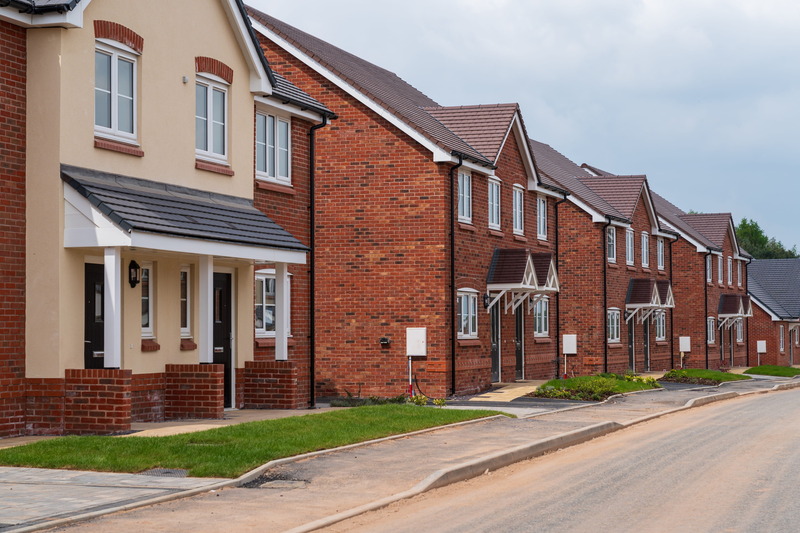
What is a new build property purchase?
A new build purchase typically means buying a home that is newly constructed, still being built, or recently completed. In many cases you agree the purchase before the home is ready to live in, sometimes before it is even physically available to view.
That changes the legal process and the timeline, which is why it can feel more complicated than buying an existing home.
Why do developers ask for a reservation fee?
Most developers require a reservation fee at the start of the process. This shows your intent to purchase and encourages the developer to remove the plot from the market.
It does not usually mean you are legally bound to buy, but the reservation agreement should clearly explain whether the fee is refundable if you withdraw before exchange, when any refund applies, and how the fee is applied to the final purchase price.
In most cases, the reservation fee is deducted from the final balance you pay on completion.
How fast do you have to exchange contracts on a new build?
One of the biggest differences is the timeline. Developers often set strict deadlines, commonly 4 to 6 weeks to exchange contracts, even if the property will not be ready to live in for months.
This puts pressure on mortgage applications, legal checks and enquiries, reviewing complex documents, and making sure incentives and extras are properly recorded.
A solicitor experienced in new build transactions can help you keep pace with the deadline without missing important protections.
Why are new build contracts longer and more complex?
Contracts for new build purchases are often far more detailed than for existing homes.
It is common to see 15 to 30 pages for a new build contract, compared to around 2 to 4 pages for an existing property. These contracts often cover what exactly the developer is agreeing to build, confirmation the build aligns with planning permission, what happens if design changes are needed, how and when completion will be triggered, and warranties, incentives, and extras.
You will be asked to sign to confirm you accept the full terms, so it is vital you understand what you are agreeing to.
What is a longstop date on a new build contract?
New build contracts often include a longstop date. This is the final deadline by which the developer must complete the build.
If the developer does not complete the property by the longstop date, it is usually the case that you have the right to cancel the contract, withdraw from the purchase, and recover your deposit, subject to the contract terms.
Your solicitor should check the longstop provisions carefully so you are not left exposed to long delays.
What is the New Homes Quality Code and does it protect buyers?
Many developers sign up to the New Homes Quality Code, which is designed to provide buyers with additional protections and standards. This can be helpful if issues arise, but it does not replace the need for thorough legal advice and careful review of your contract and documents.
How do developer incentives affect your mortgage?
Incentives can be attractive, but they need to be handled properly. Examples include paid stamp duty, upgrades or extras like flooring, appliances, turf, or fittings, and contribution to legal fees.
These incentives should be recorded in the contract, and they may need to be disclosed to your lender. Some incentives can affect valuation and lending decisions, so your solicitor will usually ensure incentives are clearly documented and compatible with your mortgage requirements.
What are title documents and why do they matter for new builds?
Title documents for new build homes are often more extensive than for existing homes, because the property is being registered for the first time.
You will usually receive a Transfer document, or similar, which sets out rights to services like electricity, water, and drainage, rights of way across estate roads and footpaths, access rights to maintain your home including across neighbouring land, and rights the developer and neighbouring owners may have over your land.
A common misconception is it is my property, I will do what I want with it. In reality, your home may be subject to legal rights and restrictions that you must comply with.
What are restrictive covenants on new build homes?
Most new build properties include restrictive covenants, which are legal promises attached to the property. They can be broader and more detailed than covenants on older homes.
Examples can include restrictions on building extensions or conservatories, changing the exterior colour, installing certain structures, parking commercial vehicles on the driveway, or keeping particular types of animals.
Because covenants bind future owners too, you need to understand them before you commit.
Why is the boundary plan so important on a new build?
A plan will be provided showing the boundaries of your plot. This is particularly important with new builds because it is used to register the property for the first time.
Your solicitor should check that the boundary matches what you believe you are buying, any parking spaces, paths, or garden areas are correctly included, and access routes and rights of way align with the estate layout.
Boundary errors can be difficult and costly to correct later.
What planning documents are involved in a new build purchase?
New build purchases often involve much more planning paperwork because the documents cover the entire development, not just your individual home.
You may see agreements between the developer and local authorities, such as Section 106 agreements for infrastructure obligations like affordable housing, community facilities, and environmental measures, Section 38 agreements for road adoption by the Highways Authority, and Section 104 agreements for drainage adoption by the Water Authority.
These documents can include conditions that affect you as the buyer, so it is important your solicitor checks compliance and understands what is outstanding.
What is an NHBC warranty and how does it work?
Most developments are registered with a new homes warranty provider, commonly NHBC or a similar provider.
This typically includes deposit protection between exchange and completion if something happens to the developer, a 10 year warranty starting from completion, the first two years often covered for issues the builder must address under the warranty guidelines, and the remaining eight years generally focused on structural defects.
If you sell within the warranty period, the warranty can usually be transferred to the new buyer.
Why are mortgages more complicated for new build purchases?
With new builds, the timing can create mortgage issues.
You may need a mortgage offer quickly to meet the exchange deadline, but if completion is many months away, you must also ensure the mortgage offer does not expire before the property is ready.
If it does, you may need an extension, which is not always guaranteed, a new mortgage application, or updated affordability checks and valuation.
An experienced solicitor will help you monitor timescales and liaise as needed so you are not caught out late in the process.
Can completion be delayed on a new build?
Yes. Completion can be delayed for several reasons, including bad weather, shortage of materials, and delays in inspections or sign off.
Once the property is finished and signed off by NHBC or the relevant authority, the developer will typically set completion with a notice period, often around 10 days.
What is snagging and when should you do it?
Before completion, it is sensible to view the property and complete a snagging report. This helps identify minor defects and finishing issues that the developer should address.
Snagging might include cosmetic issues like paintwork and seals, fitting problems like doors and sockets, and poor finishing like tiling or grouting.
Who insures a new build property between exchange and completion?
With existing properties, buyers are often responsible for insurance from exchange. With new builds, completion is usually in the future, so the developer normally continues to insure the property and the wider estate until completion.
Your solicitor should still confirm the position in the contract so you know exactly when responsibility changes.
What happens just before completion on a new build?
Once the developer’s solicitors confirm the completion date, you will usually receive a statement showing the reservation fee already paid, any incentives agreed, and any extras purchased such as fittings or turf.
Your solicitor will then prepare the completion statement for you, confirm funds required and deadlines for payment, request mortgage funds in time, and carry out final Land Registry checks to ensure no title changes.
On completion day, the mortgage and balance of purchase funds are sent to the developer’s solicitors, and keys are released, often via the site office.
Why is it important to use a solicitor experienced in new build conveyancing?
Buying a new build can include extra pressures: tight deadlines, complex contracts, extensive planning documentation, and mortgage timing risks.
That is why choosing a solicitor who understands new build conveyancing can help you stay on track with exchange deadlines, understand contract terms like longstop dates and variations, check planning agreements and adoption arrangements, review covenants and rights affecting your property, and protect your deposit and ensure warranty cover is in place.
How can John Fowlers help with new build purchases?
At John Fowlers, we have a dedicated team experienced in new build conveyancing. We combine efficiency with a personal approach, helping make the process as simple and smooth as possible, while ensuring the legal protections are in place.
If you are buying a new build property, or you are a developer looking for a reliable team to support your buyers, please get in touch.